SIDE BY SIDE
Vitaran vs Plinest programmes
What to consider when choosing a PN programme
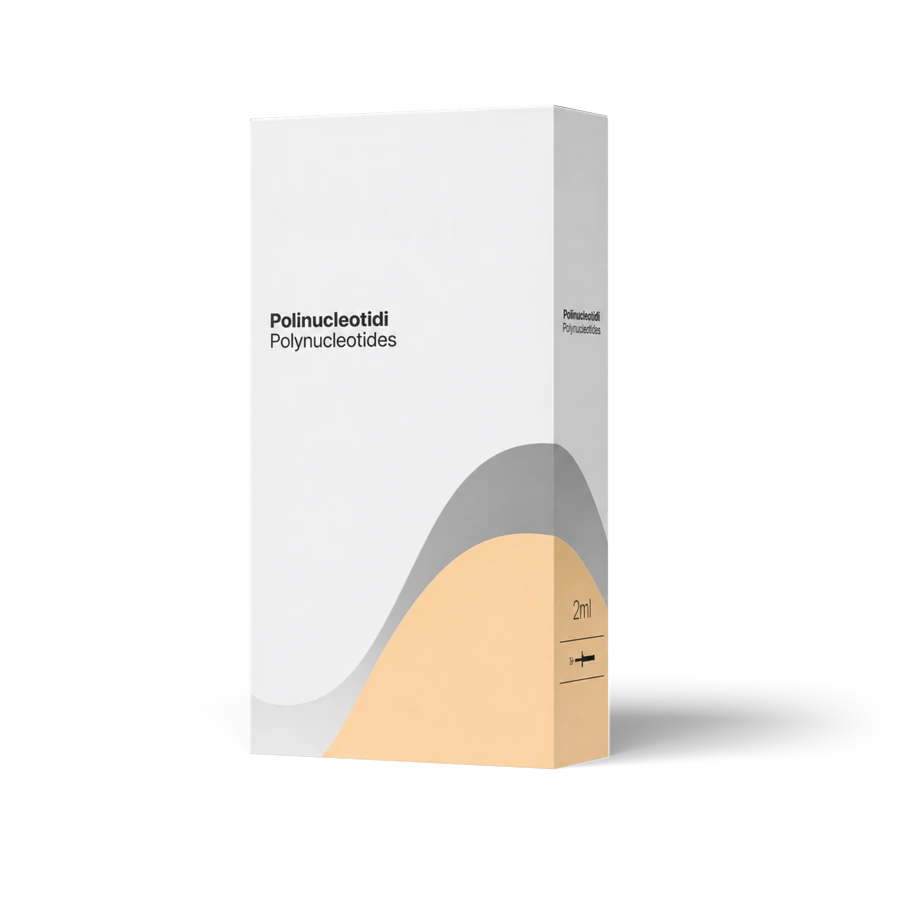
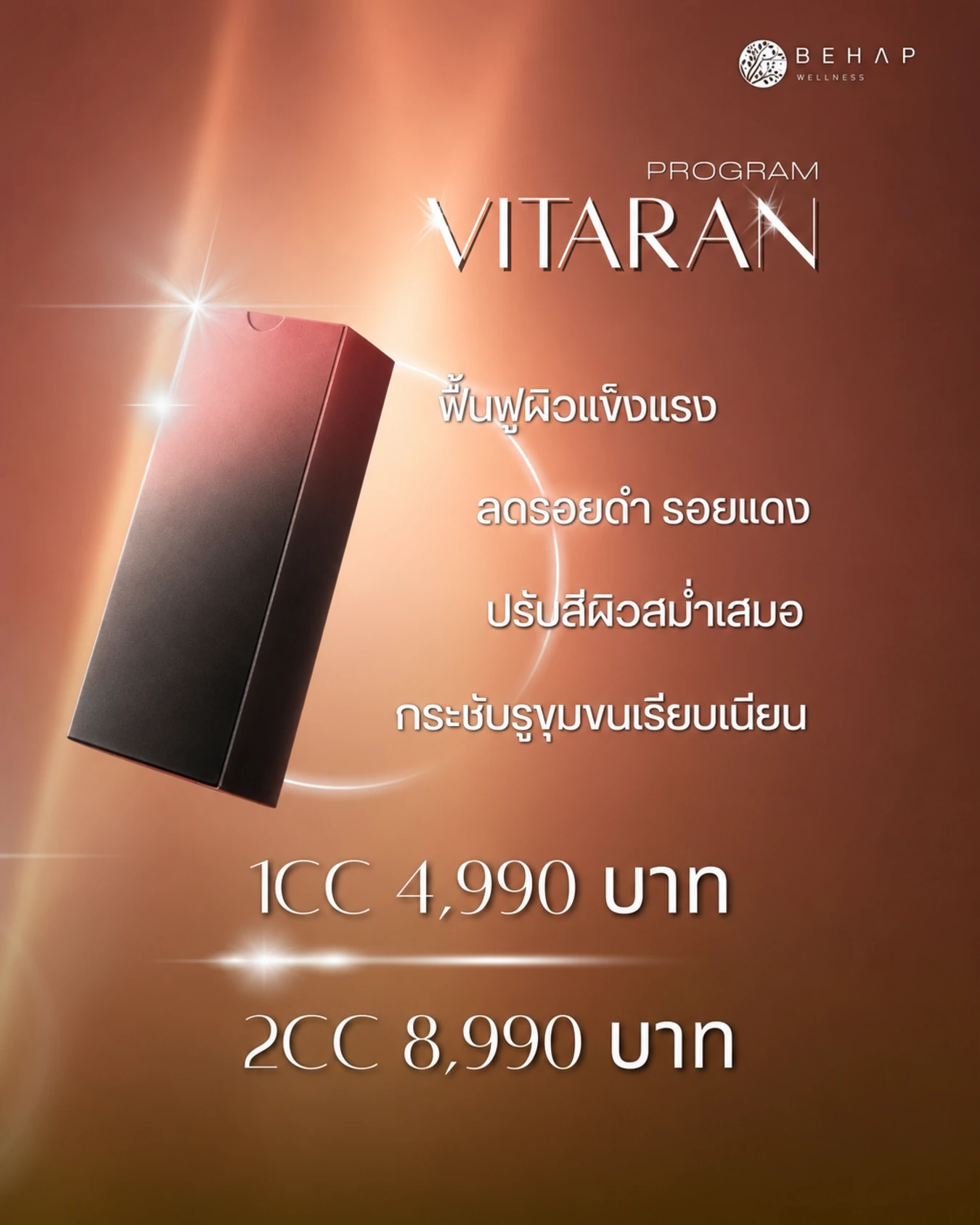
The two options offer different points to consider. The Vitaran programme has the lower price for a whole-face 2 cc option in BEHAP’s current list, as well as an under-eye 1 cc option for a more focused area. Plinest offers Mastelli’s PN HPT® technology and a body of research to explore when making your choice.
| What to compare | Vitaran programme | Plinest programme |
|---|
| Manufacturer | BR PHARM, South Korea | Mastelli, Italy |
|---|
| Products discussed | Standard Vitaran formulation | Standard Plinest formulation — PN HPT® |
|---|
| Options listed by BEHAP | Under-eyes 1 cc and whole face 2 cc | Whole face 2 cc and neck 4 cc |
|---|
| Whole-face programme price, 2 cc | 8,990 THB | 18,000 THB |
|---|
| What each programme offers | Targeted and whole-face options, with a lower starting cost in this service list | Mastelli’s HPT® technology and studies identifying Plinest directly |
|---|
| Research counts reported by the sources | No confirmed manufacturer-reported total found
A published Vitaran I study is available; it does not establish the total number of studies.
View the Vitaran I study ↗ | 100+
Studies of the PN HPT® technology family, according to distributor materials
This is a technology-family count, not a count for Plinest alone.
View the source document ↗ |
|---|
Matching 2 cc volumes help you compare the price per session. The total cost also depends on the number of sessions in the plan, so ask about both before deciding.
Product and service information from BR PHARM, Mastelli and BEHAP programme listings ↗
Read the detailed Vitaran vs Plinest comparison ↗
BENEATH THE SURFACE / ECM
Behind firm, hydrated skin
is a supporting structure
Firm, elastic, hydrated skin depends on several components working together. Each has a different role. Understanding those roles helps clarify which aspect of your skin you want to address.
Between skin cells is a network that helps support the tissue. It is called the extracellular matrix, or ECM. Collagen, elastin and hyaluronic acid are among its components.
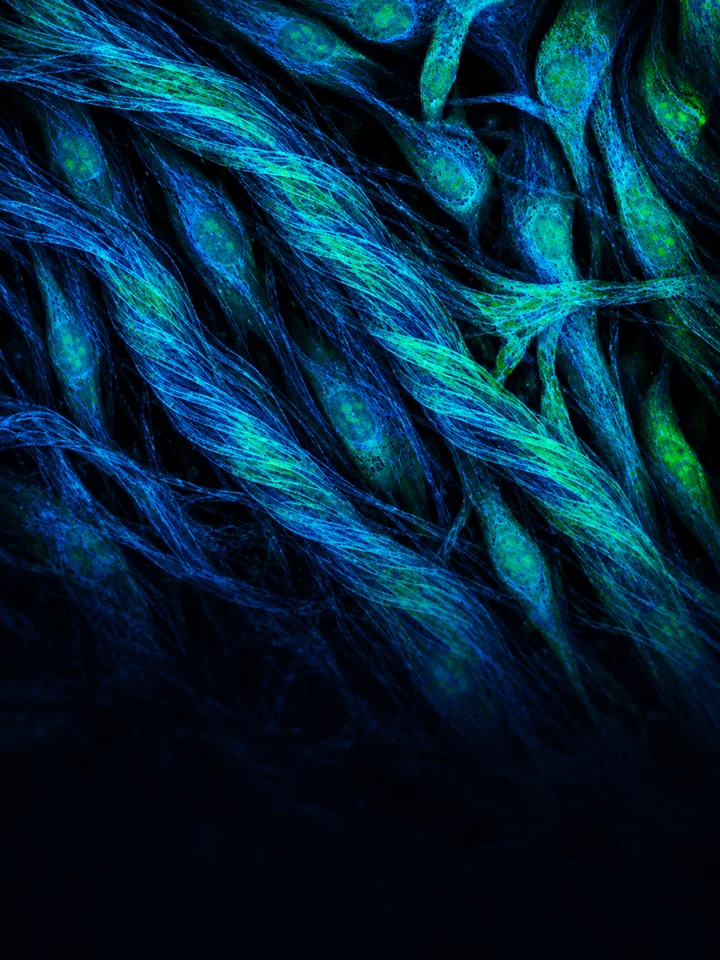
Collagen
Structural support
Collagen fibres give tissue strength and help support the skin’s structure.
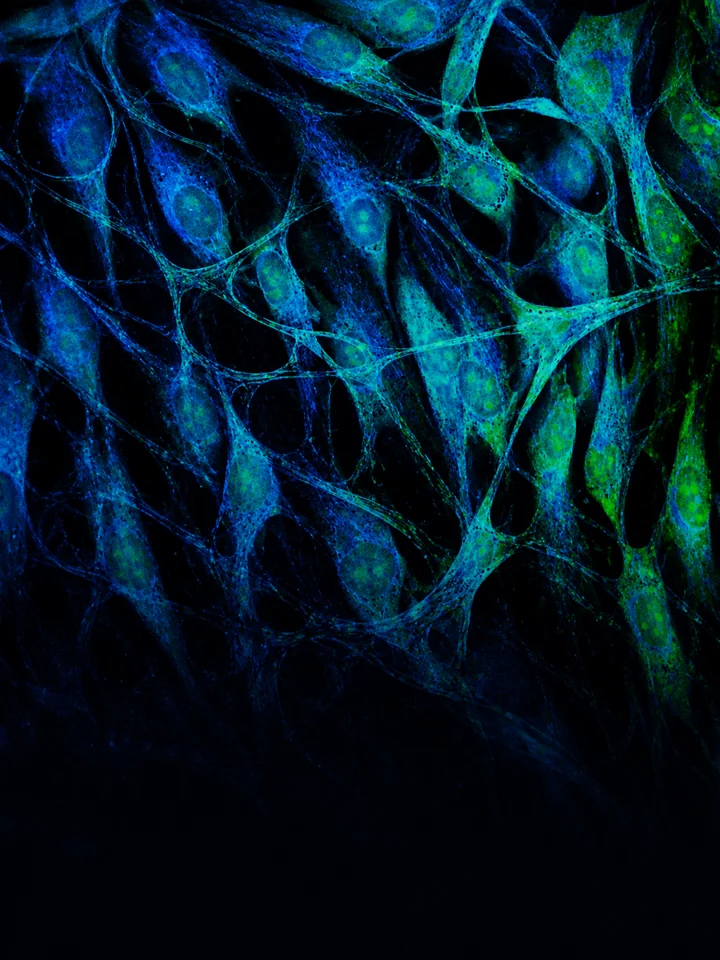
Elastin
Stretch and recoil
Elastin fibres help tissue stretch and return to shape, contributing to skin elasticity.

HA
Water retention
Hyaluronic acid helps retain water in tissue, contributing to skin hydration and a plump appearance.
Conceptual illustrations of collagen, elastin and HA created from a reference image; not treatment results or representations to scale.
How does PN support the ECM?
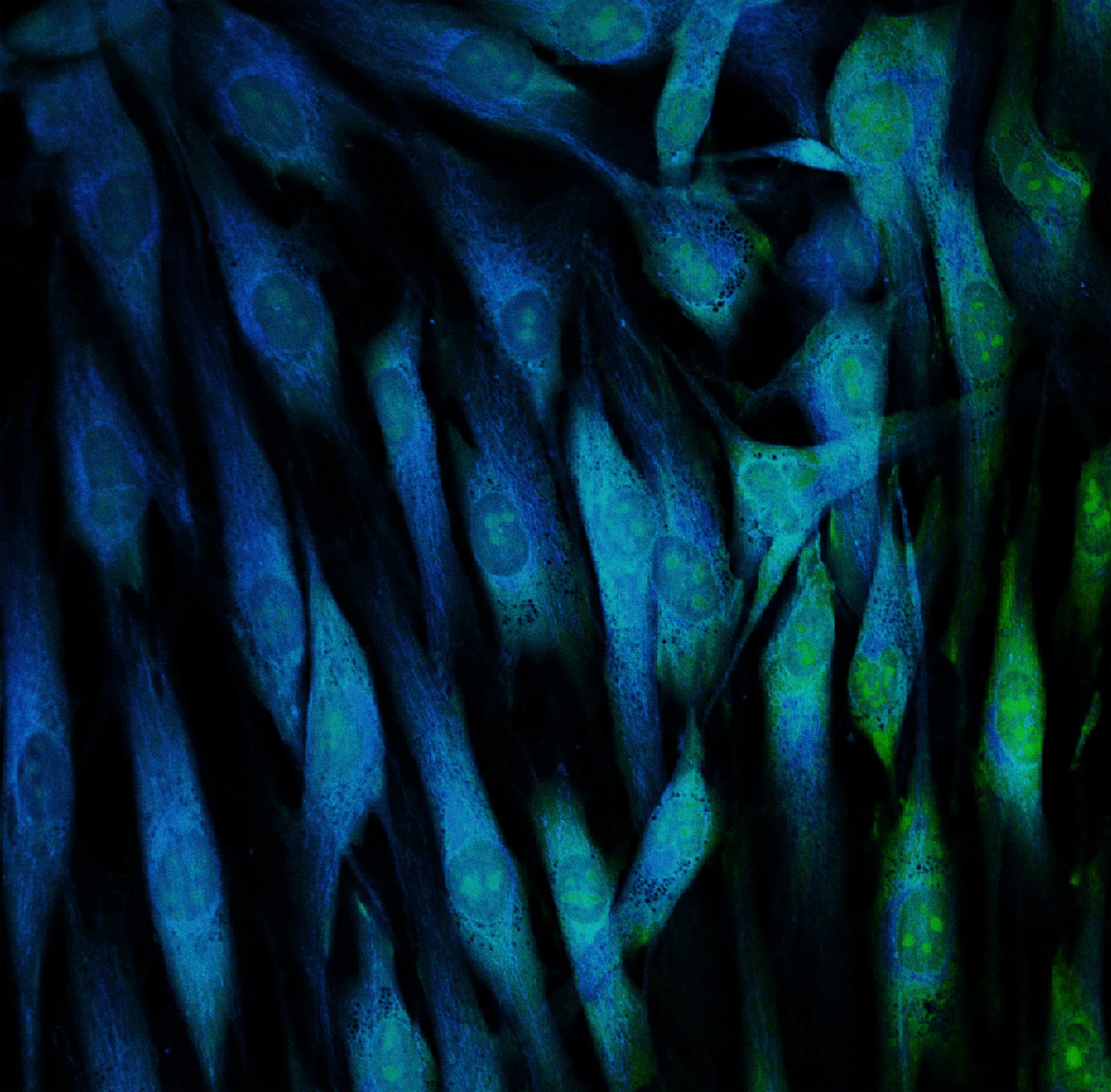
If the ECM is the structure supporting the skin, fibroblasts are among the cells that build and maintain it. PN relates both to the environment around these cells and to their activity.
Retaining water in tissue
PN can bind water. As it gradually breaks down in tissue, the bound water is progressively released. This helps explain its role in hydration around cells.
Supporting ECM-producing cells
In cultured cells, Colangelo and colleagues found that PN supported fibroblast proliferation and viability, alongside increased production of type I and III collagen.
Connecting to collagen organisation
In the same study, researchers observed better-organised collagen fibres in a mouse wound model. This helps explain how PN may be involved in ECM production and organisation.
The connection is support for the cells that build the skin’s structure. These findings on collagen production and organisation come from laboratory and animal studies; effects on human skin should be assessed using clinical research on the chosen product.
Read the original study: Colangelo et al. (2021) ↗Hydration, elasticity and firmness are different aspects of skin to consider. Before choosing a programme, identify what you want to improve, then look at whether the programme has evidence relevant to that concern.
Explore the ECM and the roles of PN and XERF ↗