

Identify what is making the area look dark
Dark circles can have several causes, including pigmentation, blood vessels visible through the skin, and shadows related to the tissues around the eyes. More than one factor may be present. [1]
If you are considering PN, the discussion should focus on skin quality around the eyes and what you want to improve. When hollows or pigmentation are your main concern, the plan also needs to explain how that factor will be addressed, so treatment relates to your goal.
What has research around the eyes measured?
A randomised study involving 27 participants compared a PN product with non-crosslinked HA, treating opposite sides of each person’s face. It found changes in skin quality, with PN performing better on some measures, including roughness and pore volume. Overall aesthetic assessment scores, however, did not differ significantly. [2]
For decision-making, this provides evidence for considering PN in relation to skin quality around the eyes. The different causes of dark circles still need to be assessed separately, and findings for the studied product should not automatically be applied to every formulation.
THE EVIDENCE EDIT
Understand the study design before the results
Choose a formulation for the eye area
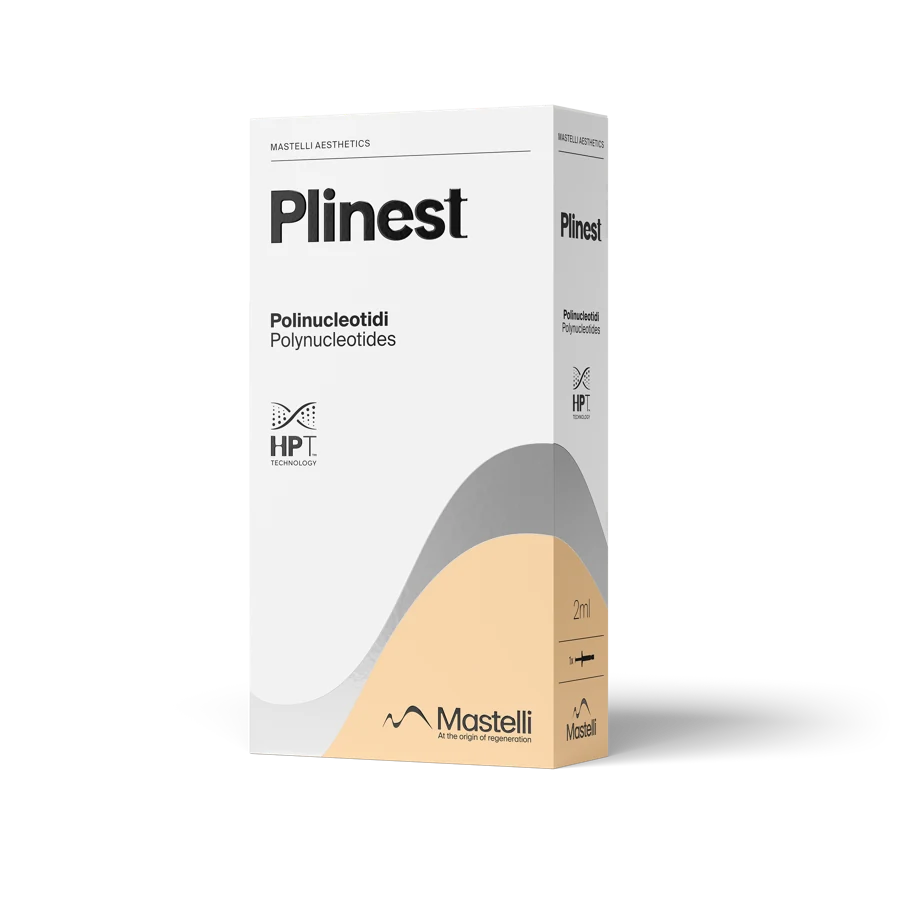
Some product ranges include a formulation specifically indicated for the eye area, such as Mastelli’s Plinest Eye. Selection should be based on the product information and the actual area of use. [3]
Before treatment, establish which product an “under-eye PN” service uses, how much is included and what the clinician intends to address. This makes programmes easier to compare than the under-eye PN label alone.
Plan the appointment around your schedule
Allow time for injection marks, swelling or small raised bumps around the eyes; bruising can also occur. If you have an important event coming up, discuss the time to allow before choosing your appointment.
The number and spacing of sessions should follow the plan for the selected product. Follow-up should assess the concerns agreed at the start, such as dryness or under-eye texture, so you can judge whether changes are moving towards your goal.
Questions to ask before choosing
Will PN remove all dark circles? That depends on the cause. Improving skin quality does not address every cause of under-eye darkness.
Should I choose the highest concentration? Choose according to the product’s intended use and suitability for the eye area. Concentration is one detail to read alongside the formulation.
Where can I explore the programmes? Visit BEHAP’s main PN page, look at the under-eye option, and ask about the exact product and plan for your concern.
This article provides general information, not personalised medical advice. PN injections are a medical procedure. Results can vary, and medical history and suitability must be assessed before treatment.