
Start with the types of scars present
Acne-scar treatment needs to account for scar type and location. Scars with different depths or features may need different approaches, and one person can have several types together. [2]
Before choosing PN, ask which aspects of the scars and surrounding skin the plan aims to address. A clear goal makes it easier to understand why a single treatment or a combination is being proposed.
Has PN been studied for acne scars?
A randomised, double-blind study involving 20 women with moderate-to-severe depressed acne scars compared PN-HPT with saline. The PN-HPT group showed significant improvement from baseline at the 1- and 3-month follow-ups. [1]
This provides a reason to consider PN-HPT in acne-scar care. However, the study was small and had specific eligibility criteria. Its findings should inform a choice based on scar type, rather than imply that it can replace other approaches in every case.
THE EVIDENCE EDIT
Understand the study design before the results
Why might a plan include more than one approach?
When scars have different features, the plan may need to address several aspects. The clinician should explain what each approach targets, together with the sequence and intervals between treatments. [2]
If PN is proposed alongside a device or another procedure, you should understand why it is being added and how the combined plan will be assessed. Using several approaches should clarify the goal, rather than leave you guessing what each step is for.
Follow changes in a way that supports comparison
Before-and-after photographs should use similar lighting, angles and distance, because shadows affect how deep acne scars appear. Follow-up should therefore combine comparable images with scar assessment at the planned intervals.
If you still have inflammatory acne, mention it before planning scar treatment. The clinician needs to consider acne control too, to help prevent new scars while addressing existing ones. [2]
What should be clear before you begin?
Ask about your main scar types, the role of PN, the product to be used and when results will be assessed. Redness, swelling, small raised bumps or bruising can occur after injections, so allow time around your daily plans.
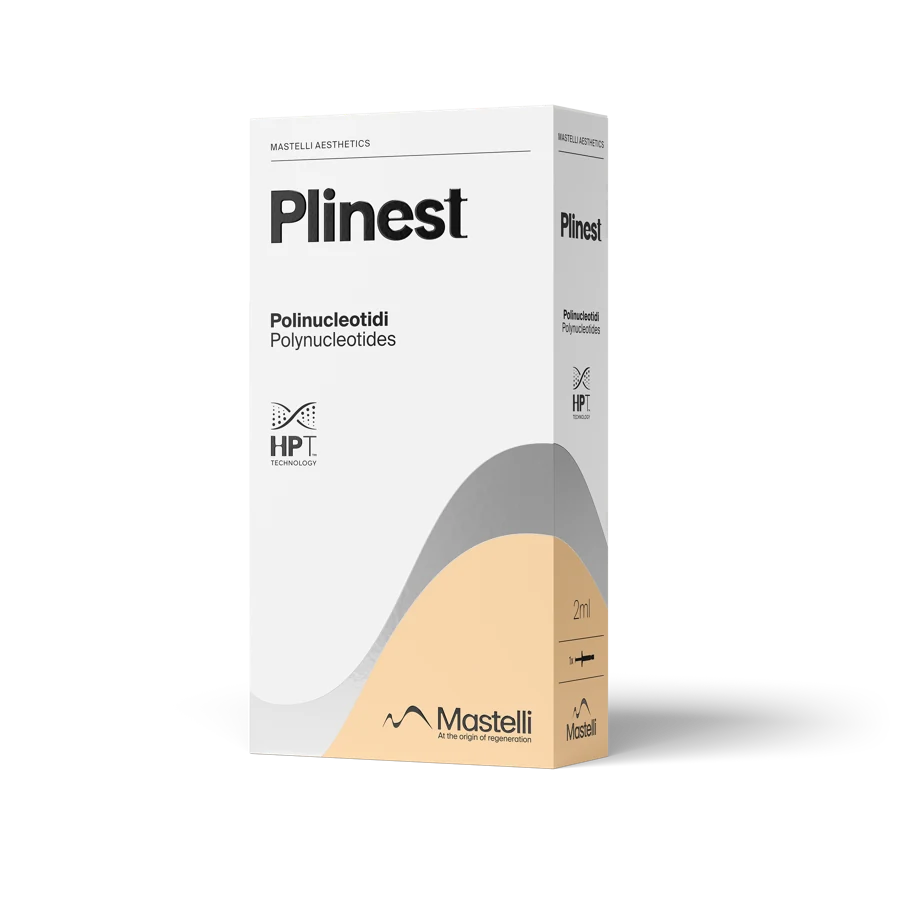
Visit BEHAP’s main PN page for information on Vitaran and Plinest, and ask which product and plan relate to your scar types.
This article provides general information, not personalised medical advice. PN injections are a medical procedure. Results can vary, and medical history and suitability must be assessed before treatment.