
Similar-looking thinning can have different causes
Assessment of hair loss and thinning starts with the history, the pattern of change and a scalp examination. Some cases need further investigations to identify the cause. Treatment selection should follow diagnosis. [1]
Before your appointment, note when you first noticed the change, whether shedding increased or the hair gradually became thinner, any scalp symptoms, and what you have already tried. These details help the discussion become more specific sooner.
What role do scalp PN products have?
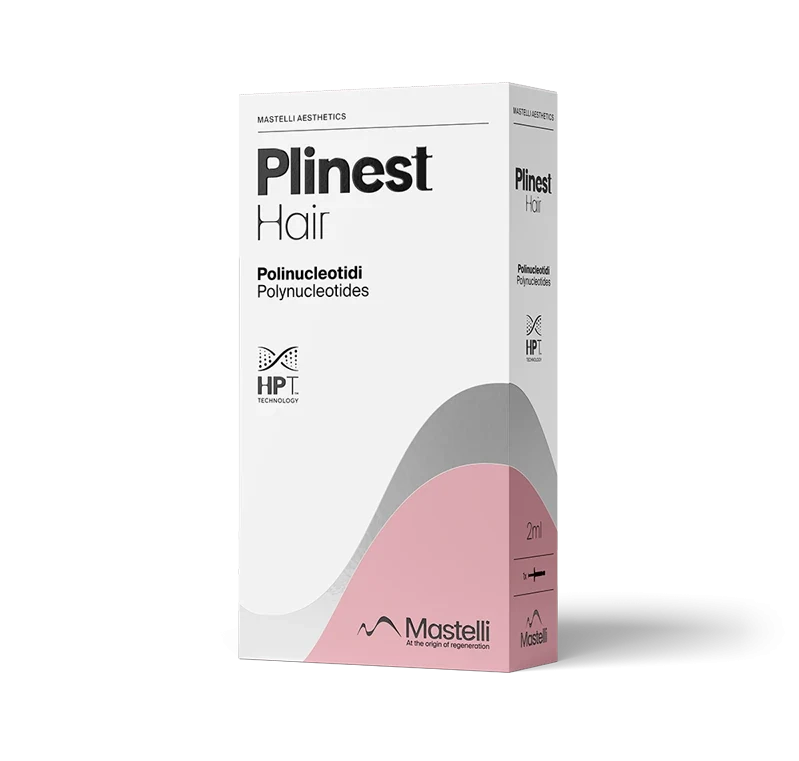
Mastelli describes Plinest Hair as a product for the scalp and eyebrows, which can be used as an adjunct for thinning hair when the follicles have not completely atrophied. This is the manufacturer’s stated intended use, rather than a guarantee of the same regrowth across every cause of hair loss. [2]
If you are interested, ask what part of care the product is meant to support and how it will fit alongside treatment of the underlying cause. A clear role helps you weigh the time and cost involved.
Read scalp formulations separately from facial products
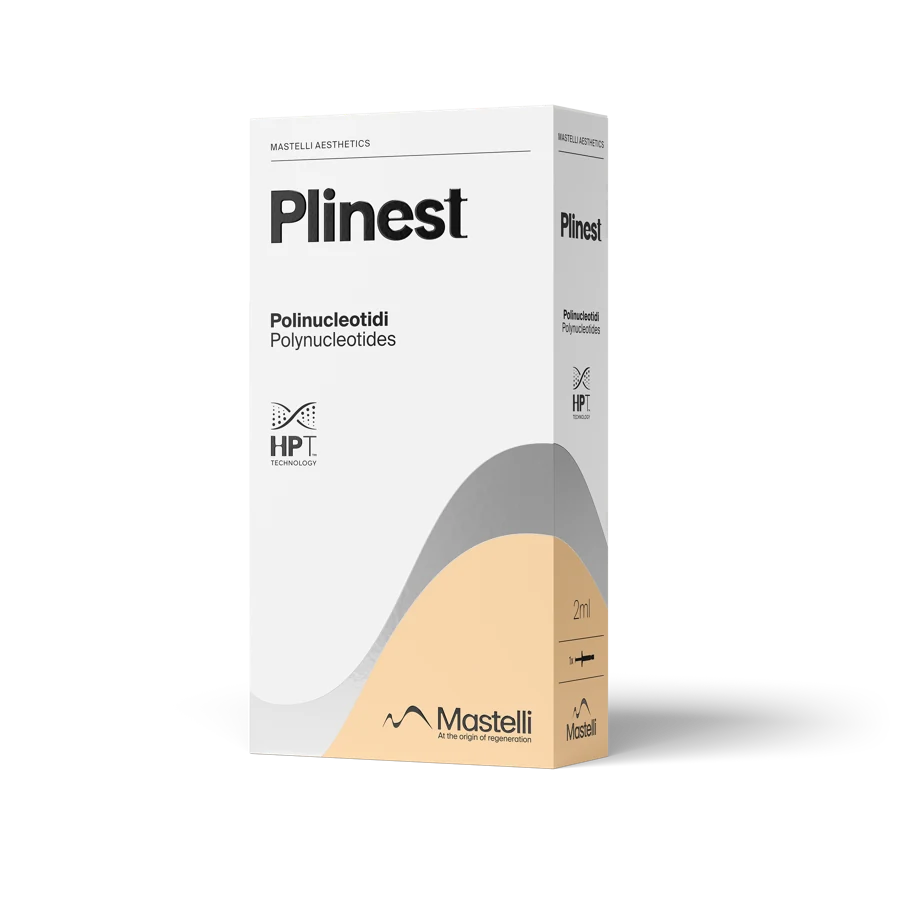
Plinest Hair lists PN HPT® at 15 mg in 2 mL, while standard Plinest lists 40 mg in 2 mL. These are specifications for different formulations, rather than a ranking of which product is better for every area. [2] [3]
Check the exact product and intended use for the scalp, rather than choosing the highest ingredient amount or using information about a facial formulation to explain hair outcomes.
FORMULATION DETAILS
What should you track during treatment?
Agree at the start whether follow-up will assess shedding, hair characteristics or density in a particular area, using photographs of the same location to support comparison. A systematic assessment helps determine whether to continue, adjust the plan or reconsider the cause.
If you already have treatment for hair loss, mention its name and how long you have used it so the plan can be coordinated. Do not stop or change an existing treatment simply because you are considering PN.
Questions before choosing a scalp programme
Can PN be used for women and men? Assessment should focus on each person’s cause and pattern of thinning, rather than sex alone.
What if an area has been bald for a long time? The follicles and appropriate options need to be assessed, because Plinest Hair’s stated use includes the condition that follicles have not completely atrophied. [2]
What should I allow for after injections? Tenderness, redness or small raised bumps can occur at injection sites. Understand the aftercare and contact arrangements for the selected product.
For information about BEHAP’s PN programmes, return to the main page and ask which scalp services are available before making an appointment.
This article provides general information, not personalised medical advice. PN injections are a medical procedure. Results can vary, and medical history and suitability must be assessed before treatment.