
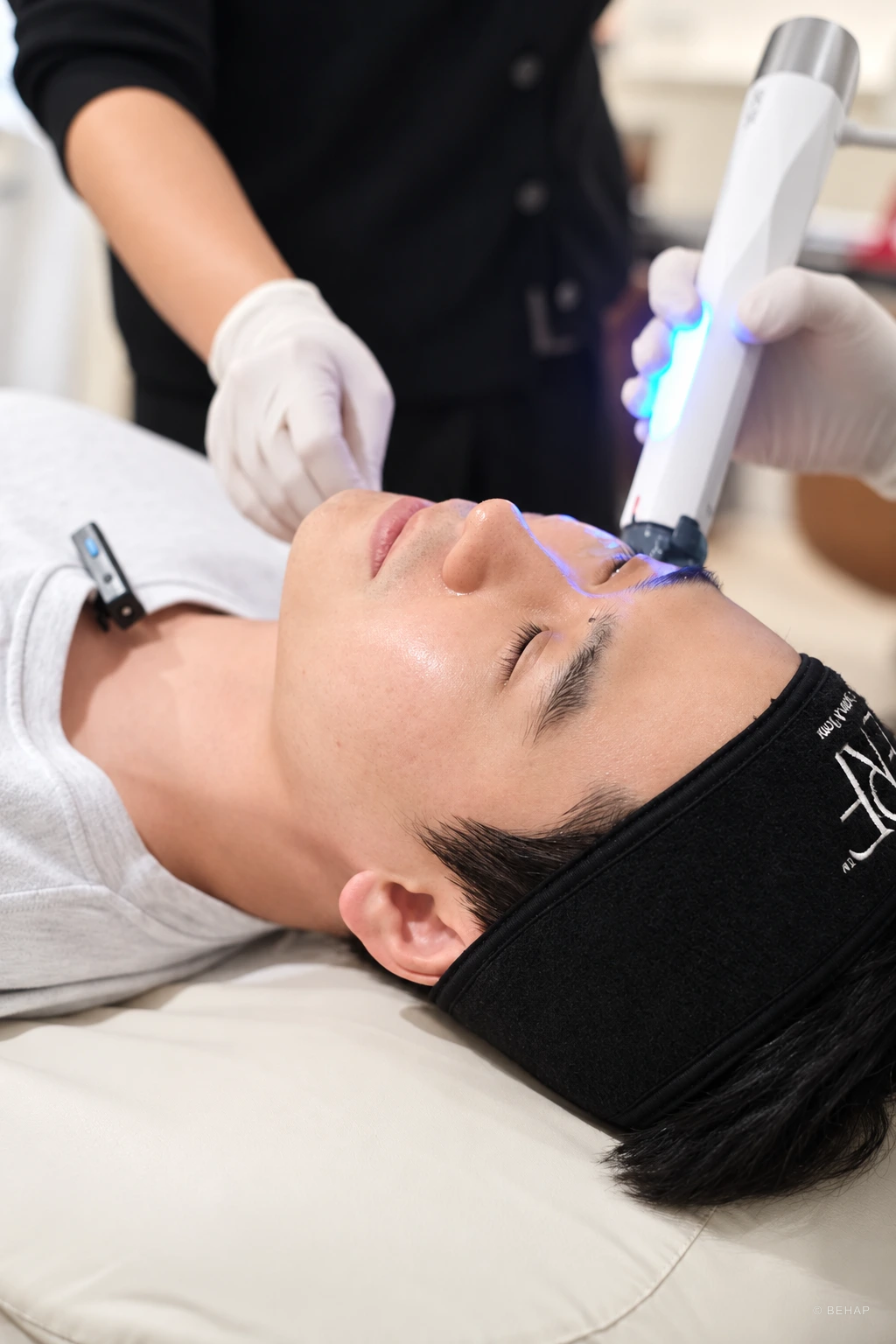
Two clinics can own exactly the same XERF machine and still deliver very different treatments. With radiofrequency, the device sets the ceiling — but the doctor's protocol and technique decide how much of that ceiling you actually reach. This is the part BEHAP cares about most, and it is the honest answer to "is XERF the same everywhere?": no — the machine is the start, not the finish.
In short
- Same machine ≠ same treatment. Result depends on delivered energy, depth and technique — not shot count alone.
- We respect tissue impedance and prepare the skin so RF energy can be delivered evenly and efficiently.
- Parameter visibility is our position: RF can't be "seen" like ultrasound, so we read the console's live energy/temperature/cooling and the patient's response.
- We use ultrasound-informed assessment to choose depth modes per facial zone.
- Our Stamp & Glide technique supports structure and fat-compartment repositioning — physician-performed; individual results vary.
Same machine, different result
A radiofrequency result is the product of how much energy is delivered, to what depth, over what area, with what technique — not simply how many "shots" are counted. The XERF console displays the energy actually delivered per pulse and the total energy for the session; we read those numbers, alongside live temperature feedback and the patient's comfort, rather than treating a shot count as the goal. Two people who both receive "600 shots" can receive genuinely different treatments.
The machine sets the ceiling. The protocol decides how much of it you reach.
FoundationWe respect impedance — and that isn't a detail
Monopolar RF creates heat as current passes through tissue, and how that heat forms depends on tissue impedance and water content. Skin that is clean, well-prepared and evenly hydrated conducts RF more evenly — which is why preparation is not cosmetic to us. Before energy is delivered we cleanse, run a hydration-prep step, and pay attention to contact and return-pad placement. The aim of this protocol is straightforward: to help energy reach the intended layer evenly and efficiently, so the treatment is both more consistent and more comfortable. We do not claim a fixed "extra depth" for every patient — tissue, anatomy and tolerance differ — but disciplined preparation is one of the few things fully within our control, so we take it seriously.
Our positionParameter visibility — the heart of the BEHAP method
Focused-ultrasound devices such as Ultherapy have a real strength: the doctor can use an ultrasound image to "see before treat." Radiofrequency is different — it diffuses through tissue along impedance and current pathways, so it does not appear as a focused image. That means the clinically important layer of control for RF isn't a picture; it's parameter visibility — the live, on-screen readout of what the energy is doing.
| XERF (RF) — what we read | Ultherapy (ultrasound) | |
|---|---|---|
| Guidance | Parameter visibility (live readout) | Image visibility (ultrasound) |
| During treatment | Read-and-adjust as we go | See depth before treating |
| Depth control via | Mode, frequency, pulse, cooling, delivered energy + tissue response | Visualised target line |
| Confidence from | Telemetry + patient response | Visualisation |
So our line is simple and fair to both technologies: Ultherapy gives image visibility; XERF gives parameter visibility — and BEHAP builds its protocol around reading that parameter, not firing to a shot count. We watch the delivered-energy readout, the temperature feedback, the cooling level and the depth mode, and we adjust live with how your skin and comfort respond.
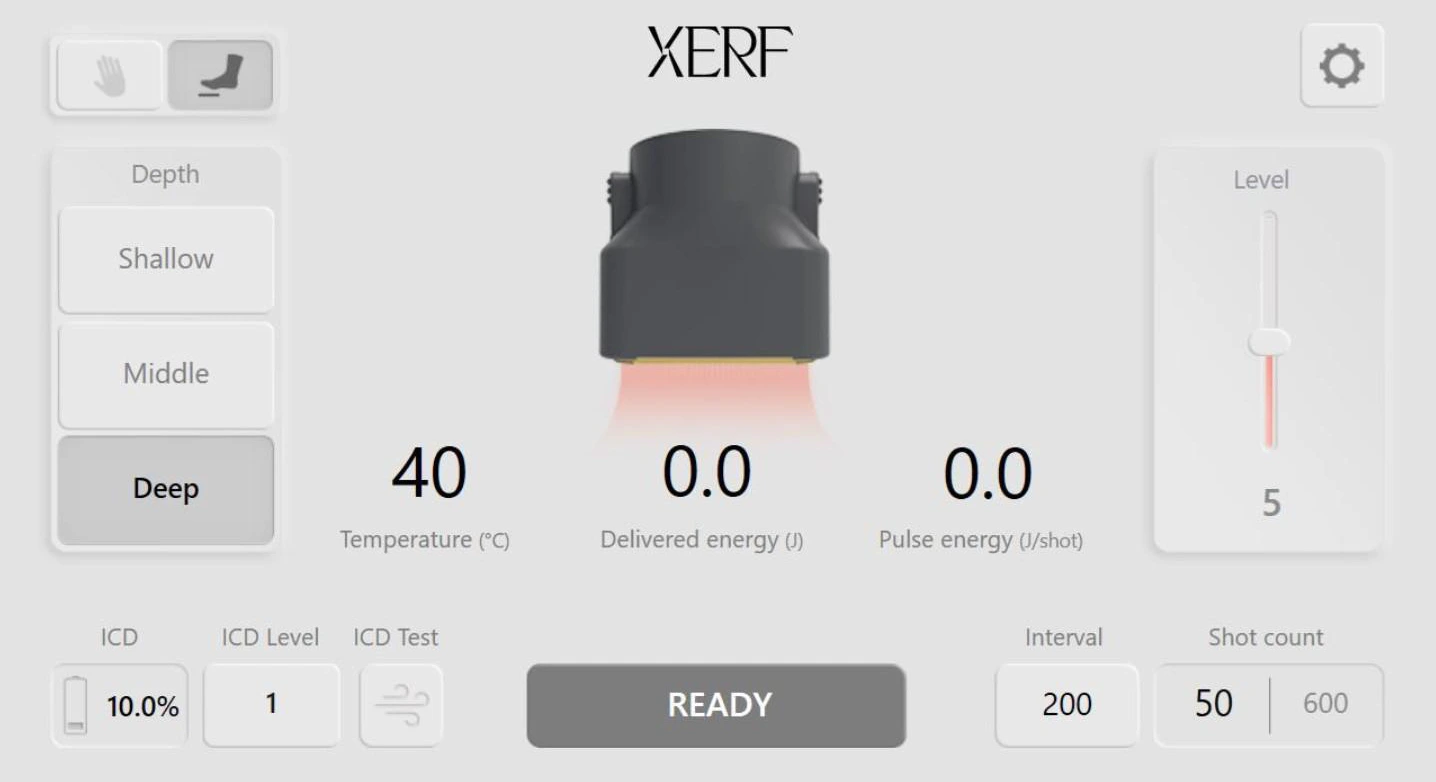
Ultrasound-informed depth selection
Before any energy is delivered, the doctor assesses your facial structure — skin thickness, soft-tissue volume, laxity and the areas that need support — using clinical examination and ultrasound assessment where indicated. That assessment is what guides depth selection: which zones get Shallow, Middle or Deep mode, and which effector size fits each area. A thin under-eye area and a heavier lower face are not treated the same way.
Stamp & Glide
Within a treatment we use two complementary hand techniques, chosen by zone:
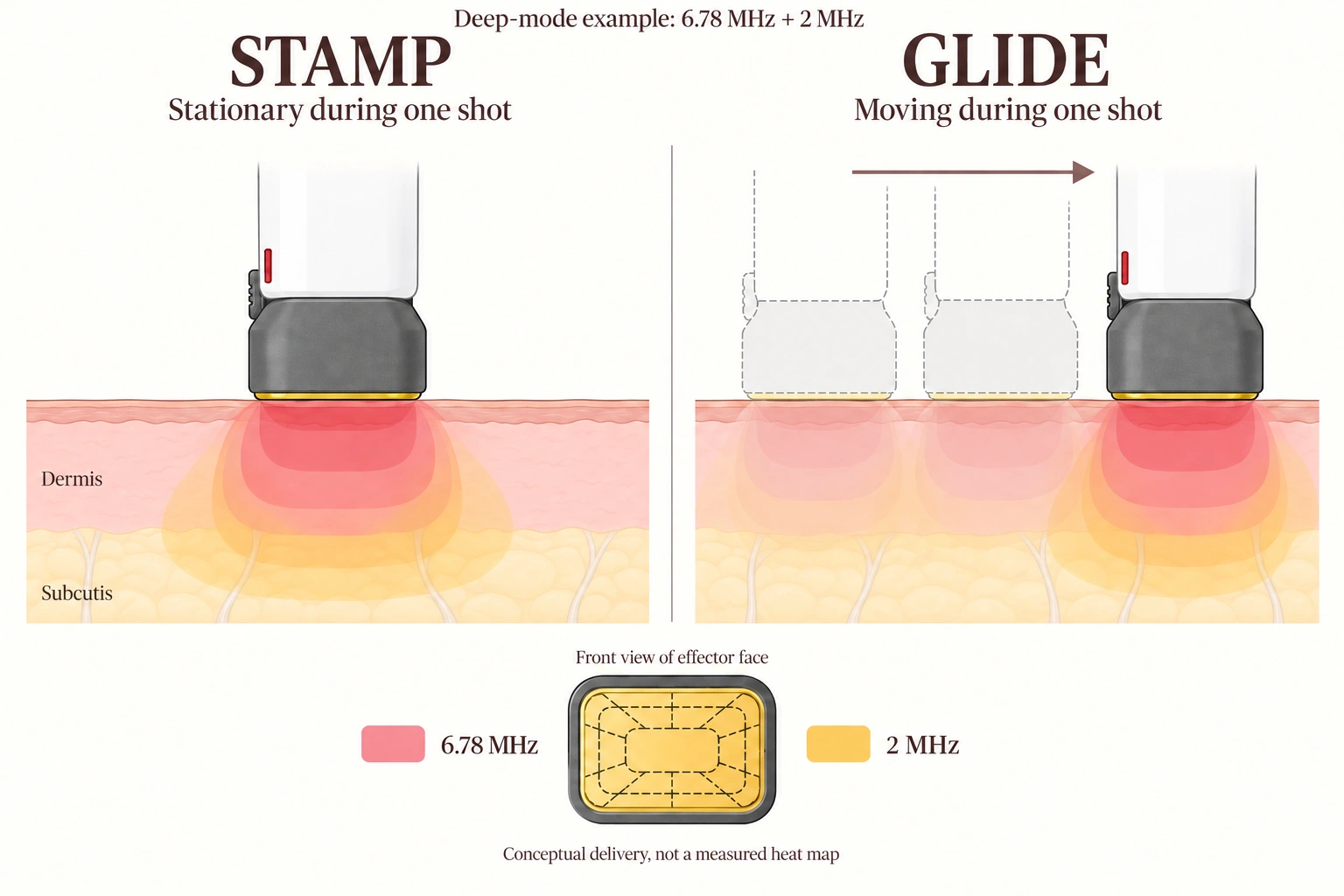
The structural idea is supported by the literature: monopolar RF has been described as supporting the repositioning of drooping fat planes rather than destroying fat1, and dual-frequency RF histology found tissue remodelling with no destruction of fat cells2. So Stamp & Glide is a structural, volume-conscious technique — not a fat-dissolving method. It is performed by a physician, and how much repositioning support any individual sees will vary.
The honest metricDelivered energy, not shot count
Because XERF's larger Spider-pattern effector covers more area per pulse and the console shows the energy actually delivered, a shot count from one device should not be compared one-to-one with another. The meaningful questions are: how much energy was delivered, to what depth, over how much of your face, by a doctor reading the parameters? That is the metric we plan and treat to — and it is why we don't sell a number as a result.
XERF is an aesthetic treatment assessed and performed by a physician. It aims to support skin firmness and contour through the collagen-response pathway. It is not a fat-dissolving treatment or a substitute for surgery, and it does not provide guaranteed, permanent or identical results. Comfort, downtime and outcomes vary between individuals. Suitability, energy settings, depth modes, treatment tips and technique are determined by a licensed physician at consultation, and not everyone is suitable for treatment.
This page explains our clinical technique and approach for educational purposes. It is not medical advice or a guarantee of results, and the technique descriptions do not imply a specific or superior outcome. All medical statements are reviewed by a licensed physician before publication. Consult a physician before treatment.
If the machine is the same, why does the clinic matter?
Because the result depends on delivered energy, depth, coverage and technique — all decided by the doctor's protocol — not on the brand of machine alone. Individual results still vary.
Do you really use ultrasound?
The doctor assesses your structure clinically and uses ultrasound assessment where it is indicated, to guide depth selection. Your doctor confirms what is appropriate for you at consultation.
Does "fat repositioning" mean it removes fat?
No. The intent is structural support and realignment of fat compartments, not fat destruction. XERF is not a fat-dissolving treatment.
สองคลินิกอาจมีเครื่อง XERF รุ่นเดียวกันเป๊ะ แต่ให้การรักษาที่ต่างกันมาก เพราะสำหรับคลื่น RF ตัวเครื่องเป็นเพียง "เพดาน" ของสิ่งที่เป็นไปได้ ส่วนโปรโตคอลและเทคนิคของแพทย์คือสิ่งที่ตัดสินว่าคุณจะไปถึงเพดานนั้นได้แค่ไหน นี่คือส่วนที่ BEHAP ให้ความสำคัญที่สุด และเป็นคำตอบตรง ๆ ของคำถามที่ว่า "โปรแกรม XERF เหมือนกันทุกที่ไหม": ไม่เหมือน — เครื่องคือจุดเริ่ม ไม่ใช่จุดจบ
สรุปสั้น ๆ
- เครื่องเดียวกัน ≠ การรักษาเดียวกัน ผลขึ้นกับพลังงานที่ส่งจริง ชั้นความลึก และเทคนิค ไม่ใช่จำนวนช็อตอย่างเดียว
- เราให้ความสำคัญกับ impedance ของเนื้อเยื่อ และเตรียมผิวเพื่อให้ส่งพลังงาน RF ได้สม่ำเสมอและมีประสิทธิภาพ
- Parameter visibility คือจุดยืนของเรา: RF "มองเป็นภาพ" แบบอัลตราซาวด์ไม่ได้ เราจึงอ่านค่าพลังงาน/อุณหภูมิ/cooling แบบเรียลไทม์ ร่วมกับการตอบสนองของคนไข้
- เราใช้ การประเมินด้วยอัลตราซาวด์ เพื่อเลือกโหมดความลึกตามแต่ละโซนใบหน้า
- เทคนิค Stamp & Glide ของเราช่วยเสริมโครงสร้างและการจัดวางช่องไขมัน — ทำโดยแพทย์ ผลลัพธ์ขึ้นกับแต่ละบุคคล
เครื่องเดียวกัน ผลต่างกัน
ผลลัพธ์ของ RF คือผลรวมของ พลังงานที่ส่งจริง ลงลึกแค่ไหน ครอบคลุมพื้นที่เท่าไร ด้วยเทคนิคอะไร ไม่ใช่แค่ "นับจำนวนช็อต" หน้าจอ XERF แสดงพลังงานที่ส่งจริงต่อพัลส์และพลังงานรวมทั้งครั้ง เราอ่านตัวเลขเหล่านั้นควบคู่กับ feedback อุณหภูมิและความรู้สึกของคนไข้ ไม่ได้ยึดจำนวนช็อตเป็นเป้าหมาย คนสองคนที่ได้ "600 ช็อต" เท่ากันจึงอาจได้รับการรักษาที่ต่างกันจริง
เครื่องกำหนดเพดาน โปรโตคอลตัดสินว่าคุณไปถึงแค่ไหน
รากฐานเราให้ความสำคัญกับ impedance
RF แบบ Monopolar สร้างความร้อนเมื่อกระแสไหลผ่านเนื้อเยื่อ และความร้อนนั้นขึ้นกับ impedance และปริมาณน้ำในเนื้อเยื่อ ผิวที่สะอาด เตรียมดี และชุ่มชื้นสม่ำเสมอจะนำคลื่น RF ได้สม่ำเสมอกว่า การเตรียมผิวจึงไม่ใช่เรื่องผิวเผินสำหรับเรา ก่อนส่งพลังงานเราทำความสะอาด ทำขั้นตอน เติมความชุ่มชื้น และใส่ใจการสัมผัสและตำแหน่ง return pad เป้าหมายของโปรโตคอลนี้ตรงไปตรงมา: ช่วยให้พลังงานไปถึงชั้นที่ตั้งใจอย่าง สม่ำเสมอและมีประสิทธิภาพ เพื่อให้การรักษาคงที่และสบายขึ้น เราไม่อ้างว่าจะได้ "ความลึกเพิ่มคงที่" ในทุกคน เพราะเนื้อเยื่อ โครงสร้าง และการทนของแต่ละคนต่างกัน แต่การเตรียมที่มีวินัยคือสิ่งที่อยู่ในการควบคุมของเราจริง เราจึงทำอย่างจริงจัง
จุดยืนของเราParameter Visibility — หัวใจของวิธี BEHAP
เครื่องอัลตราซาวด์โฟกัสอย่าง Ultherapy มีจุดแข็งจริง คือแพทย์ใช้ภาพอัลตราซาวด์ "เห็นก่อนยิง" ได้ ส่วน RF ต่างออกไป — มันกระจายผ่านเนื้อเยื่อตาม impedance และเส้นทางกระแส จึงไม่ปรากฏเป็นภาพโฟกัส นั่นแปลว่าชั้นการควบคุมที่สำคัญของ RF ไม่ใช่ภาพ แต่คือ parameter visibility — ค่าที่แสดงบนหน้าจอแบบเรียลไทม์ว่าพลังงานกำลังทำอะไร
| XERF (RF) — สิ่งที่เราอ่าน | Ultherapy (อัลตราซาวด์) | |
|---|---|---|
| การนำทาง | Parameter visibility (ค่าเรียลไทม์) | Image visibility (ภาพอัลตราซาวด์) |
| ระหว่างทำ | อ่านและปรับไปพร้อมกัน | เห็นความลึกก่อนยิง |
| คุมความลึกด้วย | โหมด ความถี่ พัลส์ cooling พลังงานที่ส่ง + การตอบสนองเนื้อเยื่อ | เส้นเป้าหมายที่มองเห็น |
| ความมั่นใจจาก | Telemetry + การตอบสนองของคนไข้ | การเห็นภาพ |
จุดยืนของเราจึงยุติธรรมกับทั้งสองเทคโนโลยี: Ultherapy เด่นที่ image visibility ส่วน โปรแกรม XERF เด่นที่ parameter visibility และ BEHAP วางโปรโตคอลโดย การอ่าน ค่าพารามิเตอร์เหล่านั้น ไม่ใช่ยิงตามจำนวนช็อต เราดูค่าพลังงานที่ส่ง feedback อุณหภูมิ ระดับ cooling และโหมดความลึก แล้วปรับตามการตอบสนองของผิวและความรู้สึกของคุณแบบเรียลไทม์
อัลตราซาวด์และการเลือกความลึก
ก่อนส่งพลังงานใด ๆ แพทย์ประเมินโครงสร้างใบหน้า — ความหนาผิว ปริมาตรเนื้อเยื่อ ความหย่อน และบริเวณที่ต้องเสริม — ด้วยการตรวจทางคลินิกและ การประเมินด้วยอัลตราซาวด์เมื่อมีข้อบ่งชี้ การประเมินนี้คือสิ่งที่นำทาง การเลือกความลึก: โซนไหนใช้โหมดตื้น กลาง หรือลึก และหัว effector ขนาดใดเหมาะกับแต่ละบริเวณ ใต้ตาที่บางและใบหน้าส่วนล่างที่หนากว่าไม่ได้ทำเหมือนกัน
Stamp & Glide
ในการรักษาหนึ่งครั้ง เราใช้สองเทคนิคมือที่เสริมกัน เลือกตามโซน:
แนวคิดเชิงโครงสร้างนี้มีงานวิจัยรองรับ: RF Monopolar ถูกอธิบายว่าช่วยจัดวางระนาบไขมันที่หย่อนแทนการทำลายไขมัน1 และจุลพยาธิวิทยาของ RF สองความถี่พบการปรับโครงสร้าง โดยไม่ทำลายเซลล์ไขมัน2 Stamp & Glide จึงเป็นเทคนิคเชิงโครงสร้างที่คำนึงถึงวอลุ่ม ไม่ใช่ วิธีสลายไขมัน ทำโดยแพทย์ และระดับการช่วยจัดวางที่แต่ละคนได้รับจะแตกต่างกัน
ตัวชี้วัดที่ตรงไปตรงมาพลังงานที่ส่งจริง ไม่ใช่จำนวนช็อต
เพราะหัว Spider-pattern ของ โปรแกรม XERF ครอบคลุมพื้นที่ต่อพัลส์มากกว่า และหน้าจอแสดงพลังงานที่ส่งจริง การเทียบจำนวนช็อตของเครื่องหนึ่งกับอีกเครื่องแบบหนึ่งต่อหนึ่งจึงไม่ถูกต้อง คำถามที่มีความหมายคือ: ส่งพลังงานเท่าไร ลงลึกแค่ไหน ครอบคลุมใบหน้าเท่าไร โดยแพทย์ที่อ่านค่าพารามิเตอร์? นั่นคือสิ่งที่เราวางแผนและรักษา และเป็นเหตุผลที่เราไม่ขายตัวเลขเป็นผลลัพธ์
โปรแกรม XERF เป็นทรีตเมนต์ความงามที่ ประเมินและให้บริการโดยแพทย์ มีเป้าหมายเพื่อช่วยเสริมความกระชับและ contour ผ่าน collagen-response pathway ไม่ใช่ การสลายไขมัน ไม่ใช่สิ่งทดแทนการผ่าตัด และ ไม่ได้ ให้ผลลัพธ์ที่รับประกัน ถาวร หรือเท่ากันทุกคน ความสบาย การพักฟื้น และผลลัพธ์แตกต่างกันในแต่ละบุคคล ความเหมาะสม การตั้งค่าพลังงาน โหมดความลึก หัว และเทคนิค กำหนดโดยแพทย์ผู้มีใบอนุญาตในการปรึกษา และไม่ใช่ทุกคนที่เหมาะกับการรักษานี้
หน้านี้อธิบายเทคนิคและจุดยืนทางคลินิกเพื่อการศึกษา ไม่ใช่คำแนะนำทางการแพทย์ ไม่ใช่การรับประกันผล และคำอธิบายเทคนิคไม่ได้หมายถึงผลลัพธ์ที่เฉพาะเจาะจงหรือเหนือกว่า ทุกข้อความทางการแพทย์ผ่านการตรวจทานโดยแพทย์ผู้มีใบอนุญาตก่อนเผยแพร่ · ควรปรึกษาแพทย์ก่อนรับบริการ
ถ้าเครื่องเหมือนกัน ทำไมคลินิกถึงสำคัญ?
เพราะผลขึ้นกับพลังงานที่ส่ง ความลึก ความครอบคลุม และเทคนิค ซึ่งกำหนดโดยโปรโตคอลของแพทย์ ไม่ใช่ยี่ห้อเครื่องอย่างเดียว ผลลัพธ์ขึ้นกับแต่ละบุคคล
ใช้อัลตราซาวด์จริงไหม?
แพทย์ประเมินโครงสร้างทางคลินิกและใช้การประเมินด้วยอัลตราซาวด์เมื่อมีข้อบ่งชี้ เพื่อนำทางการเลือกความลึก แพทย์จะยืนยันสิ่งที่เหมาะกับคุณในการปรึกษา
"จัดวางไขมัน" แปลว่ากำจัดไขมันไหม?
ไม่ใช่ จุดประสงค์คือการเสริมโครงสร้างและจัดระเบียบช่องไขมัน ไม่ใช่การทำลายไขมัน โปรแกรม XERF ไม่ใช่การสลายไขมัน
Referencesอ้างอิงงานวิจัย
- Garg S, et al. Monopolar radiofrequency for reposing drooping fat planes and facial rejuvenation. Journal of Cosmetic Dermatology, 2021.
- Ko K-S, et al. Computational modeling and histologic analysis of 6.78- and 2-MHz monopolar radiofrequency-induced thermal reactions. Lasers in Medical Science, 2025.
- Austin GK, et al. Evaluating the effectiveness and safety of radiofrequency for face and neck rejuvenation: a systematic review. Lasers in Surgery and Medicine, 2021.
- Efficacy of dual-frequency noninvasive monopolar radiofrequency in skin tightening: histological evidence (Letter to the Editor). Skin Research and Technology, 2024;30(6):e13821.
- Goldman MP, et al. Monopolar Radiofrequency-Induced Fibroblast Stimulation for the Prevention and Improvement of Skin Laxity. Dermatologic Surgery, 2025.

See if XERF is right for your faceมาดูว่า Program XERF เหมาะกับใบหน้าคุณไหม
A doctor assesses your skin, structure and goals — and confirms the right settings for you.แพทย์ประเมินผิว โครงสร้าง และเป้าหมายของคุณ พร้อมยืนยันการตั้งค่าที่เหมาะกับคุณ
Book your XERF consultationจองปรึกษา โปรแกรม XERFMedical disclaimer. This article is for general education and is not medical advice. XERF is a doctor-assessed, consultation-based aesthetic treatment; it is not a medical cure and does not provide guaranteed, permanent or surgical-equivalent results. Outcomes are individual and vary. Cited studies largely investigate monopolar radiofrequency as a category and include computational and animal-model work; they indicate direction, not a guarantee for any individual. Suitability, settings and aftercare are determined by a licensed physician at consultation.ข้อจำกัดความรับผิดชอบทางการแพทย์ บทความนี้จัดทำเพื่อให้ความรู้ทั่วไป ไม่ใช่คำแนะนำทางการแพทย์ XERF เป็นทรีตเมนต์ความงามที่ประเมินและให้บริการโดยแพทย์ ไม่ใช่การรักษาโรค และไม่ได้ให้ผลลัพธ์ที่รับประกัน ถาวร หรือเทียบเท่าการผ่าตัด ผลลัพธ์ขึ้นอยู่กับแต่ละบุคคล งานวิจัยที่อ้างอิงส่วนใหญ่ศึกษา RF Monopolar ในเชิงหมวดหมู่ และรวมถึงแบบจำลองและสัตว์ทดลอง จึงบ่งบอกทิศทาง ไม่ใช่การรับประกันสำหรับบุคคลใด · ควรปรึกษาแพทย์ก่อนรับบริการ