
A NEW CHAPTER FOR YOUR BODY
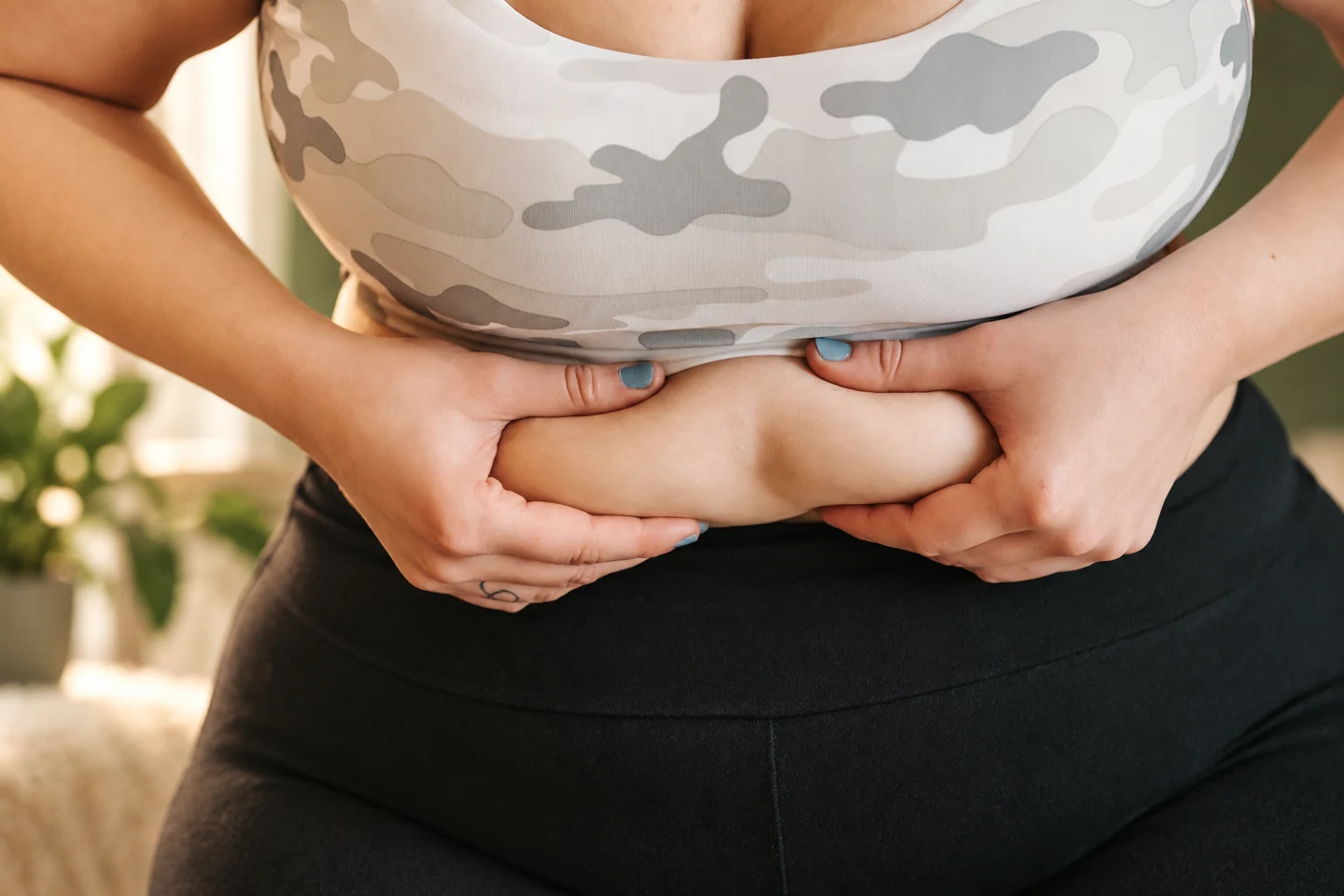
Clothes that once fitted are becoming loose, your waist is smaller, and the number on the scale is moving towards your goal. For some people losing weight with GLP-1 medication, this stage brings another, less expected change: abdominal skin that folds more easily, upper arms that look looser, or skin that appears creased even as the body becomes smaller.
As your body changes, so can your priorities. The focus shifts from losing weight to firmness and the appearance of skin in areas that matter to you. Some people are happy with their size but want a firmer-looking abdomen. Others still have localised fat alongside looser skin.
Morpheus8 Burst Deep and technologies within the IgniteRF platform are options at this stage. Choosing the right approach starts with understanding what you still want to address: skin laxity, stretch marks, remaining fat, or a combination.
01 THE CHANGE
Why Can Skin Look Looser After Rapid Weight Loss?
When the body loses fat, the volume beneath the skin decreases. Skin that stretched to accommodate your previous size may not contract enough to match that change, leaving looseness, folds or excess skin. This can be particularly noticeable after losing a substantial amount of weight over a short period, often described as rapid weight loss.
These changes can follow several methods of weight loss, including significant or rapid weight loss while using GLP-1 medication. The degree of laxity varies from person to person. Loose skin after weight loss does not mean that all of the change is caused by the medication acting directly on the skin; the reduction in body volume is an important factor. Information from the American Society of Plastic Surgeons
If your abdomen or upper arms still look loose after weight loss, the next step is to consider both the skin and the tissue beneath it. This helps establish whether the area needs greater firmness, whether excess volume also remains, or both.

02 THREE DIFFERENT STORIES
How Do Skin Laxity, Excess Fat and Stretch Marks Differ?
Skin laxity means skin that is loose and has not fully contracted after a change in body size. What people often call “loose skin after weight loss” may appear as creasing, folds or hanging skin in different areas.
Excess fat is volume that remains beneath the skin. An area that feels soft or folds when pinched may contain both loose skin and fat. Appearance alone should not determine whether more fat needs to be removed. This is especially important after substantial weight loss, when preserving tissue that still supports body contours also matters.
Stretch marks are a type of scar that can develop when skin stretches or shrinks quickly. Some may have been present before GLP-1 use, from earlier weight gain or pregnancy. Newer marks are often red or purple, while older ones tend to fade and appear as indented lines. Treatment aims to make them less noticeable, without promising to erase them completely or restore skin to how it looked before. The American Academy of Dermatology explains stretch marks
The same part of the abdomen can have all three concerns. Distinguishing them helps you choose an approach for the change you want, whether that is firmer skin, less volume in the area, or less visible marks.
03 THE SURFACE & BEYOND
How Does Morpheus8 Burst Deep Address Body Skin Firmness?
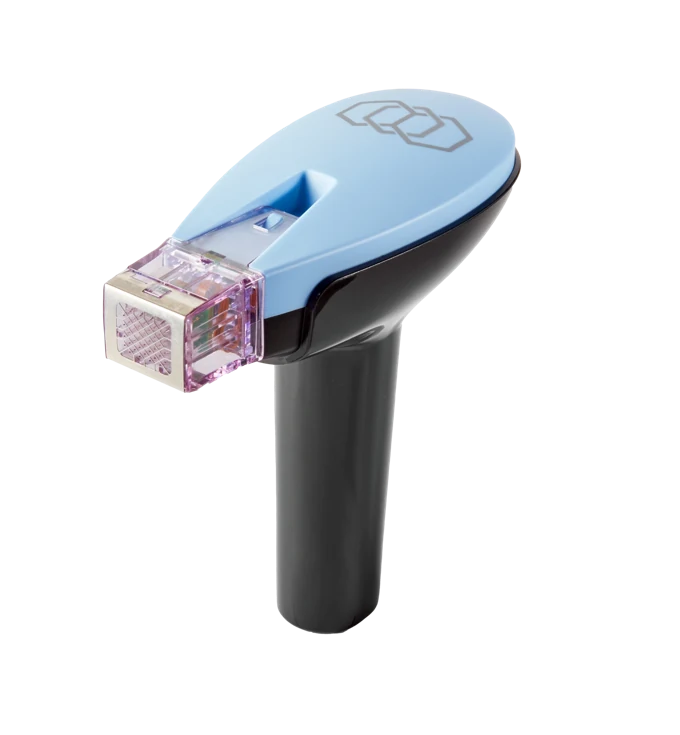
Morpheus8 Burst Deep uses a 40-pin needle tip to deliver radiofrequency energy, or RF, into tissue at selected depths. The energy creates localised heat to produce tissue changes and contraction.
BURST delivers energy at several levels during one needle insertion. SCALE allows different energy settings at the selected levels, so the physician can tailor delivery to tissue thickness and the treatment area. Morpheus8 Burst Deep information from InMode
After weight loss, the role of this treatment is to address tissue firmness. The amount of excess skin must also be considered, because RF energy does not remove excess skin from the body.
A study using a 40-pin Morpheus8 tip with Burst and Cycle modes found improvements in abdominal skin laxity in women after childbirth. This supports a role in body skin firmness, but it is not evidence of the treatment response specifically in people using GLP-1 medication. Research by Bai and colleagues
04 ANOTHER WAY TO CONTOUR
IgniteRF: Another Option When Laxity Extends Below the Surface
After weight loss, some people are happy with their size but want their abdomen, upper arms or thighs to look firmer. Others still have noticeable fat deposits. These situations involve different goals, both in the volume to be addressed and the tissue that needs tightening.
Liposuction removes excess fat from areas where a change in contour is desired. Firmness afterwards still depends on the condition of the skin. If the skin is already loose, removing fat alone may not achieve everything you want. Liposuction information from the American Society of Plastic Surgeons
IgniteRF brings together several RF technologies, including Morpheus8 Burst Deep and technologies such as QuantumRF that deliver energy from within the tissue. This offers different ways to access and treat the tissue. The IgniteRF platform from InMode
QuantumRF: Tissue Tightening without Liposuction
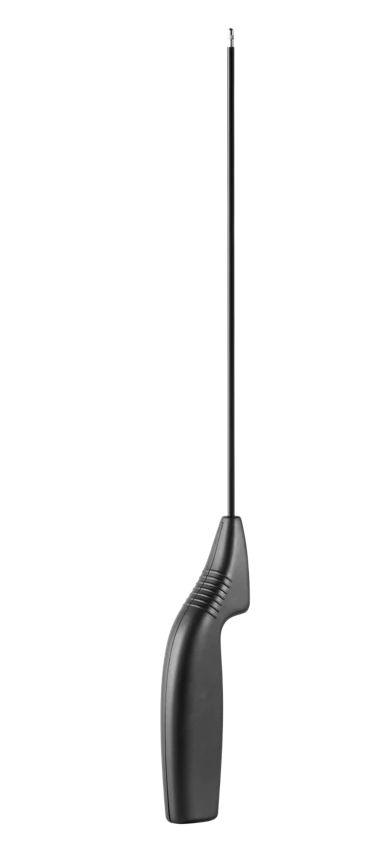
QuantumRF delivers fractionated RF energy directly into tissue beneath the skin to produce contraction. It can be performed without accompanying liposuction, making it another option for localised laxity after weight loss. QuantumRF information from InMode
The procedure uses a small, slender cannula-like applicator inserted through a small opening beneath the skin to deliver energy to the treatment area. It is a minimally invasive procedure that accesses tissue from within. Morpheus8 Burst Deep, by comparison, delivers energy through an array of needles from the skin surface. This difference in access also affects preparation and recovery. QuantumRF technology details
For people who have become much slimmer and mainly want greater firmness, an option without liposuction allows treatment to focus on the tissue that needs tightening. If substantial fat deposits remain, volume needs to be considered separately. QuantumRF tightening does not remove large amounts of fat and cannot replace liposuction in every case.
The choice between Morpheus8 Burst Deep and QuantumRF therefore depends on the skin, the remaining tissue and the goals for that area. There is no need to use every technology together.
05 SKIN TEXTURE
What If You Also Have Stretch Marks?
RF microneedling is one group of technologies studied for improving the appearance of stretch marks, particularly white or older marks. Results from one device should not be used to guarantee outcomes for every tip or treatment on the IgniteRF platform. An example of clinical research on stretch marks
If you have both laxity and stretch marks, start with the concern that bothers you most. You may want your abdomen to look firmer, or the lines of your stretch marks to be less noticeable. This helps determine whether the focus should be firmness, texture, or a sequence of treatments.
Even in the same area, skin tightening and improving stretch marks have different goals. Firmer-looking skin does not mean stretch marks will disappear at the same time. Setting separate goals from the start makes it easier to track the changes that matter to you.
07 YOUR NEXT CHAPTER
Build on the Changes You Have Already Made
If you are using GLP-1 medication or have been through a period of weight loss and are considering care for loose skin on your abdomen, upper arms or thighs, identify the change you would most like to see: firmer skin, less remaining fat, or less noticeable stretch marks.
Discuss that goal with the BEHAP team, along with your weight-loss history. A physician can explain the role of Morpheus8 Burst Deep or technologies within IgniteRF in that area, as well as other options suited to the tissue and excess skin you actually have.
Ask BEHAP about loose skin after weight loss